 EN
EN
 jp
jp  de
de  ru
ru  pt
pt  vi
vi  ms
ms  id
id  ne
ne  tl
tl 

Tel:
+86-13382516668

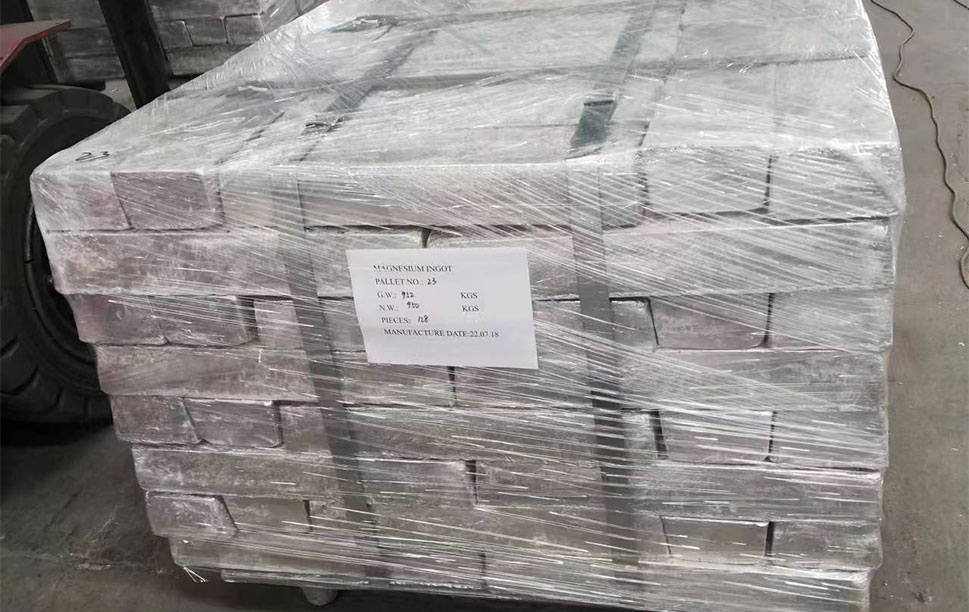
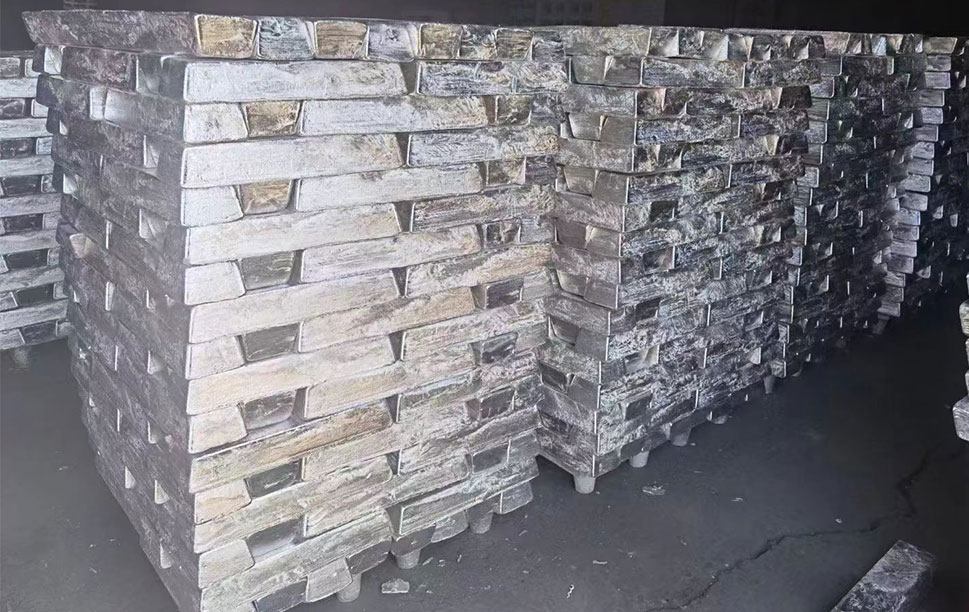
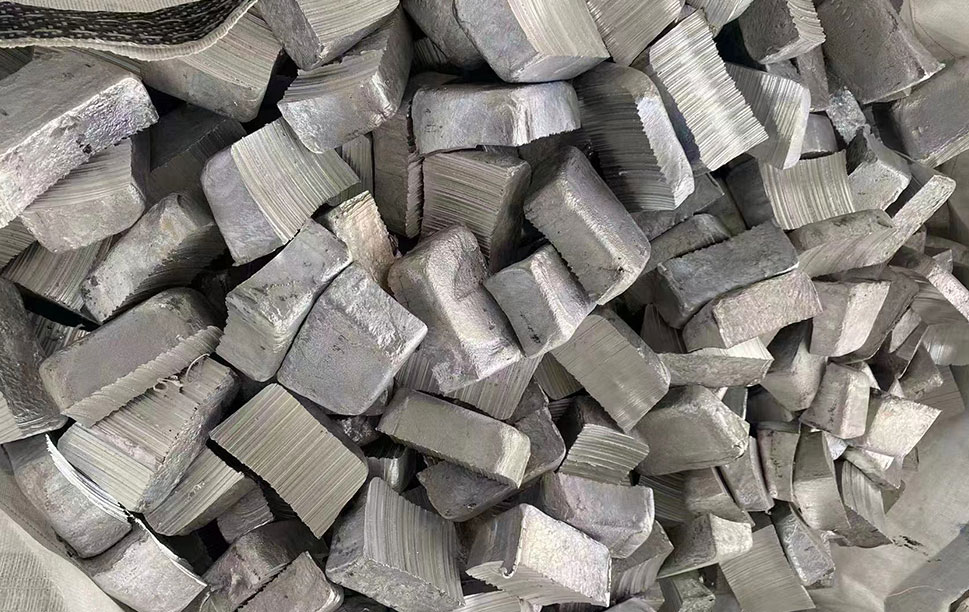
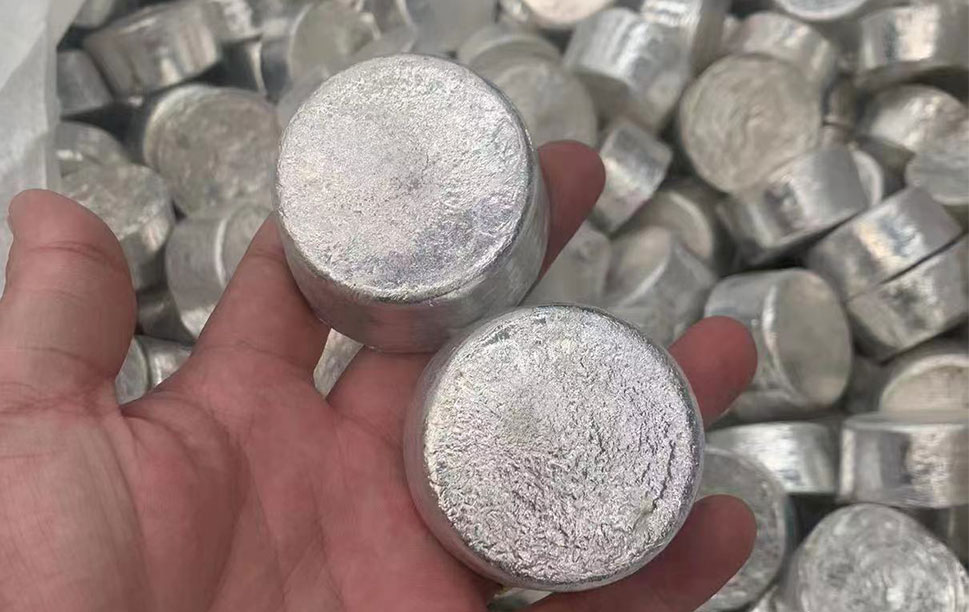
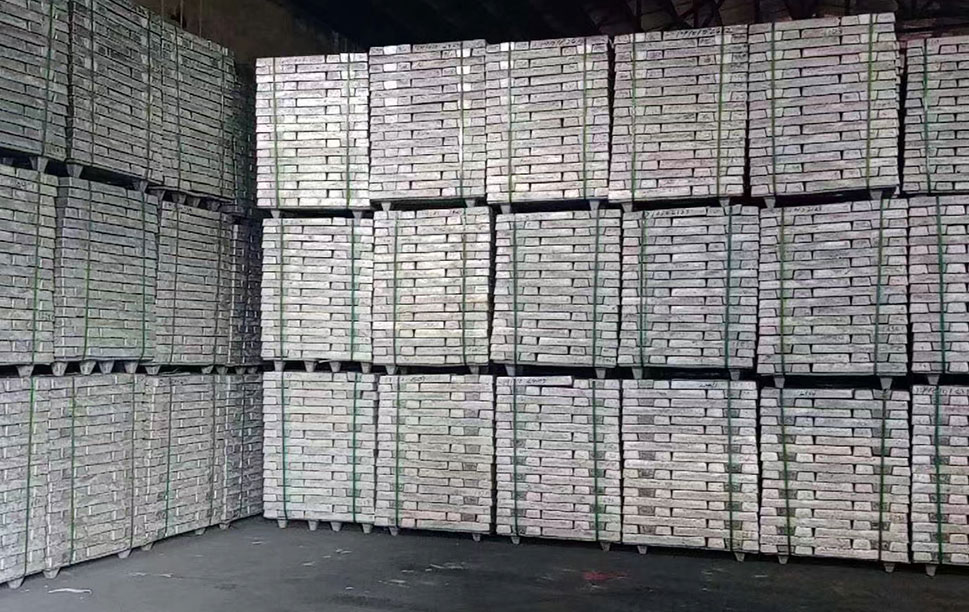
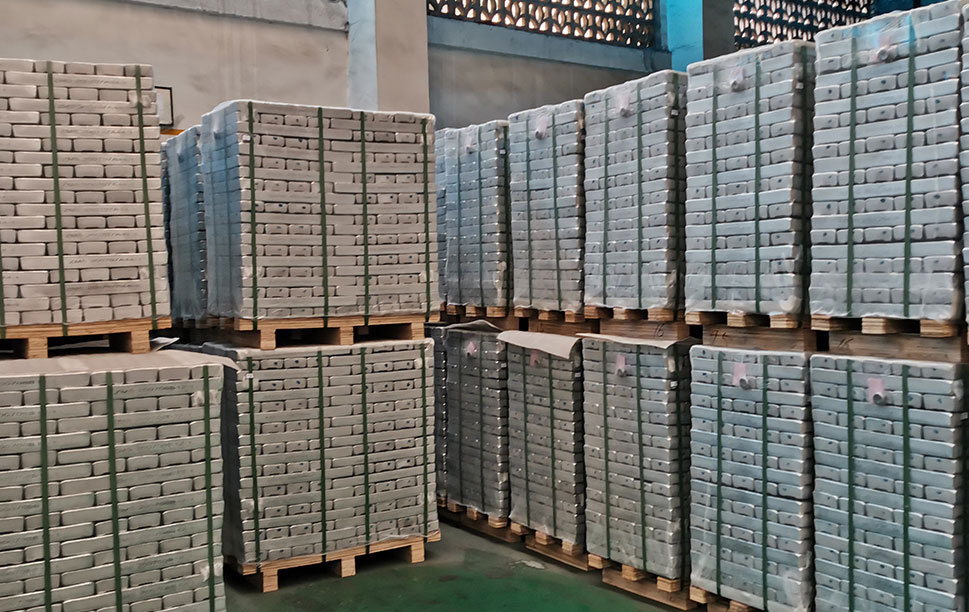
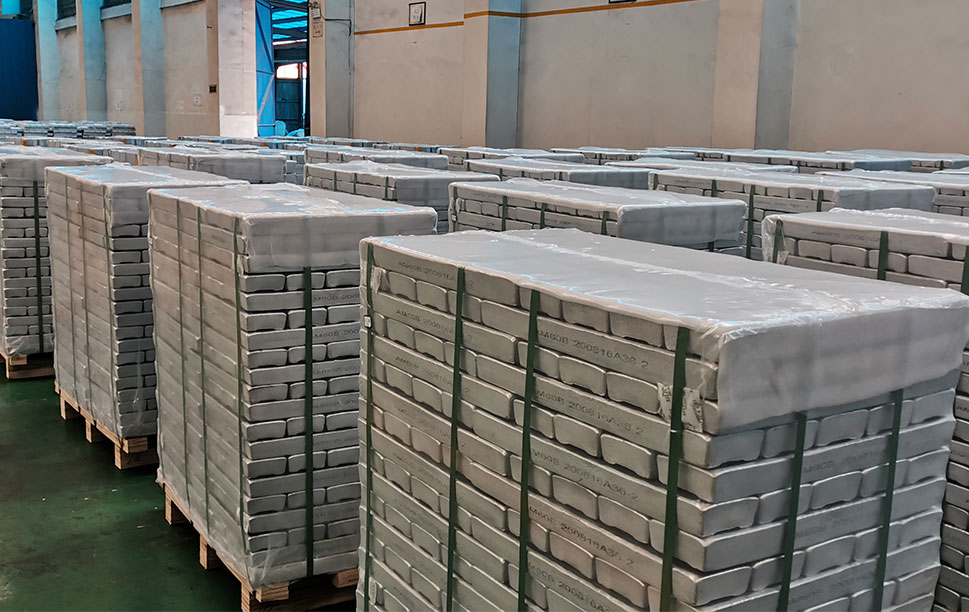

In modern manufacturing, the push for lightweight, high-performance materials has made magnesium a standout choice for structural engineering. Among the various semi-finished formats available, the magnesium round bar is one of the most versatile stock shapes for precision production.
Prized for its exceptional strength-to-weight ratio, consistent dimensional stability, and superb machinability, this product serves as both a direct manufacturing component and a crucial raw material for downstream profile extrusion. This guide explores the diverse industrial applications of the magnesium round bar and explains why it remains an essential asset across multiple advanced sectors.
Before diving into specific industry use cases, it is vital to look at the foundational physical properties that make a magnesium round bar so effective for industrial applications:
Weight Reduction: As the lightest structural metal alloy available, it offers critical weight savings over aluminum and steel without sacrificing structural integrity.
Thermal Conductivity: It excels at heat dissipation, making it highly effective for components that operate near heat-sensitive electronics or within thermal management systems.
Low Thermal Expansion: A low coefficient of thermal expansion ensures that components machined from these bars maintain strict dimensional stability during temperature fluctuations.
Non-Magnetic Performance: Being completely non-magnetic, it eliminates electromagnetic interference, which is a non-negotiable requirement in high-precision computing and medical environments.
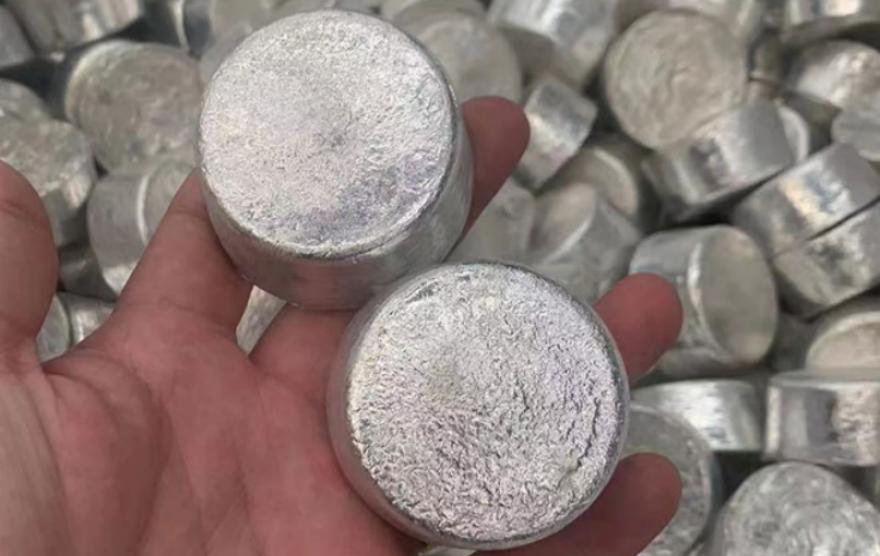
Because of this unique blend of physical and mechanical traits, several high-tier manufacturing industries rely heavily on premium magnesium round bar stock.
In aviation and aerospace engineering, every gram saved translates directly into increased fuel efficiency, longer range, and greater payload capacity. Engineers utilize the magnesium round bar to machine complex interior brackets, control levers, seat frames, and specialized housing enclosures. Its resistance to severe vibration ensures that these critical components perform reliably under high-stress flight dynamics.
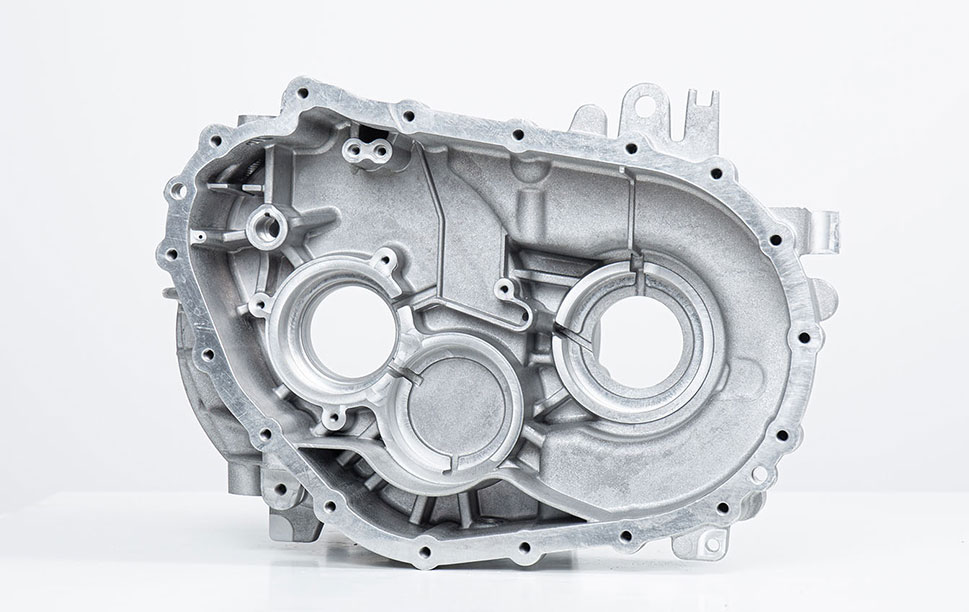
The automotive industry utilizes lightweight materials to extend the range of electric vehicles (EVs) and improve the fuel economy of traditional internal combustion engines. While softer alloys like AM50A or AM60B are restricted to traditional die-casting processes, specialized wrought magnesium bars are ideal for high-stress, machined parts. They are frequently used to manufacture steering column components, high-strength fasteners, engine brackets, and lightweight suspension links.
As electronic devices become smaller and more powerful, managing internal heat becomes a major engineering challenge. Thanks to their high thermal conductivity, magnesium round bars are widely machined into cylindrical heat sinks, thermal interfaces, and structural rods for advanced communication gear, consumer electronics, and power distribution systems that require rapid heat dissipation.
The medical sector requires specialized materials that do not interfere with advanced diagnostic equipment. The non-magnetic nature of the magnesium round bar makes it perfect for components used inside or near Magnetic Resonance Imaging (MRI) rooms. Additionally, its excellent machinability allows manufacturers to turn out highly precise, lightweight cylindrical structural components for orthopedic instruments and diagnostic devices.
Beyond general industries, the structural versatility of the magnesium round bar allows it to be processed via multiple manufacturing methods:
A primary application of the magnesium round bar is serving as the base billet material for extrusion lines. The bars are heated and forced through custom dies to produce complex structural channels, angles, and hollow profiles used in architectural framing and industrial machinery.
Thanks to its excellent machinability, bar stock is highly favored for automated CNC milling and lathe turning operations. Its consistent diameter ensures smooth feeding through automatic bar feeders, allowing factories to mass-produce highly precise components with clean surface finishes and tight dimensional tolerances.
When industrial assemblies require robust joint strength but must avoid the heavy weight penalty of steel or brass, machined magnesium fasteners, threaded rods, and heavy-duty connectors provide a dependable, lightweight alternative.
Achieving predictable manufacturing outcomes requires using reliable, certified raw materials. YiRui Metal specializes in supplying high-quality magnesium round bars that strictly conform to international ASTM standards. Our specialized production lines deliver consistent diameter tolerances, excellent straightness, and uniform grain structures optimized for both high-speed machining and downstream extrusion.
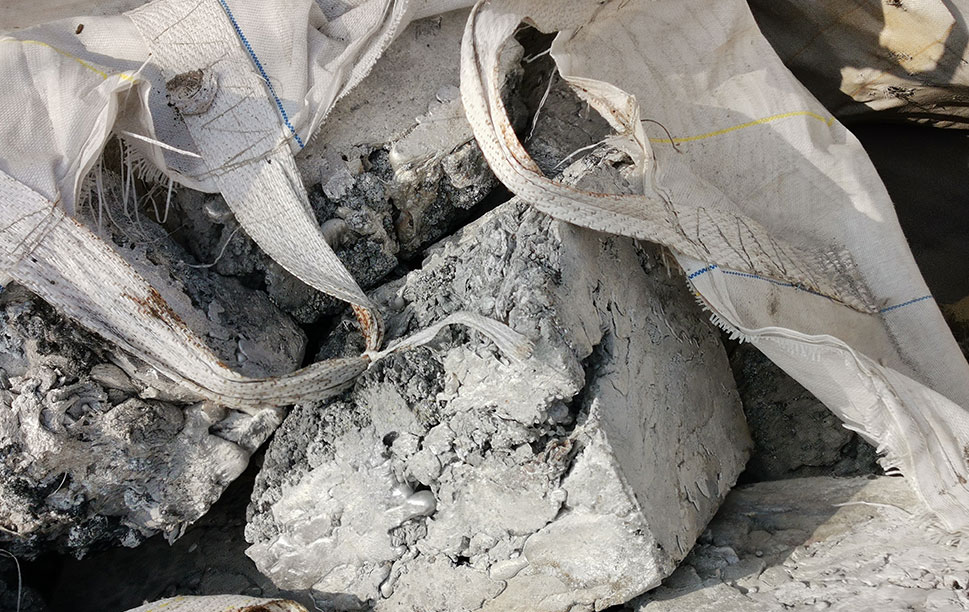
Operating as a comprehensive, vertically integrated specialist, YiRui Metal runs a synchronized product chain encompassing magnesium melting, magnesium processing, and magnesium recovery. This closed-loop framework ensures strict quality control from raw material formulation up to final delivery. Backed by 10 advanced die-casting machines (450ton-1600ton) and independent mold design and surface treatment capabilities, we provide complete engineering support for your custom industrial components. Please note that while we supply a wide range of custom bar dimensions, specific cast-only grades like AM50A and AM60B are excluded from our round bar line due to their distinct processing profiles.
Discover our full range of alloy grades and available dimensions by visiting our dedicated Products Page to find the ideal material fit for your project.
Whether used as a durable billet for complex structural extrusions or turned into intricate, heat-dissipating components on a CNC lathe, the magnesium round bar is an invaluable resource for modern, weight-sensitive industries. Matching its specialized physical properties with a structured, ASTM-certified supply line allows your facility to optimize production efficiency, reduce assembly weight, and maintain superior product quality.
Ready to discuss custom lengths, diameters, or specific alloy availability for your upcoming production run? Contact our technical sales team directly through our Contact Page to receive a comprehensive, real-time quote tailored to your exact manufacturing requirements.
A1: No, only specific types of magnesium alloys are suitable for round bar production. Alloys primarily engineered for die casting, such as AM60B and AM50A, possess high fluidity but lack the structural workability required for bar extrusion, meaning they are excluded from round bar selections.
A2: A magnesium round bar is roughly 33% lighter than aluminum while maintaining a highly competitive strength-to-weight ratio. It also offers superior vibration damping, better dampening of mechanical noise, and improved machinability on high-speed automated lathes.
A3: Being non-magnetic prevents the material from causing or suffering from electromagnetic interference (EMI). This makes it critical for sensitive electronic enclosures, automated computing hardware, and precision medical equipment like MRI components.
A4: Yes, its low melting point means it is not suitable for extreme high-temperature environments. However, this characteristic makes it highly effective for standard industrial applications, electronics cooling, and automated manufacturing where extreme heat is not a factor.

