 EN
EN
 jp
jp  de
de  ru
ru  pt
pt  vi
vi  ms
ms  id
id  ne
ne  tl
tl 

Tel:
+86-13382516668

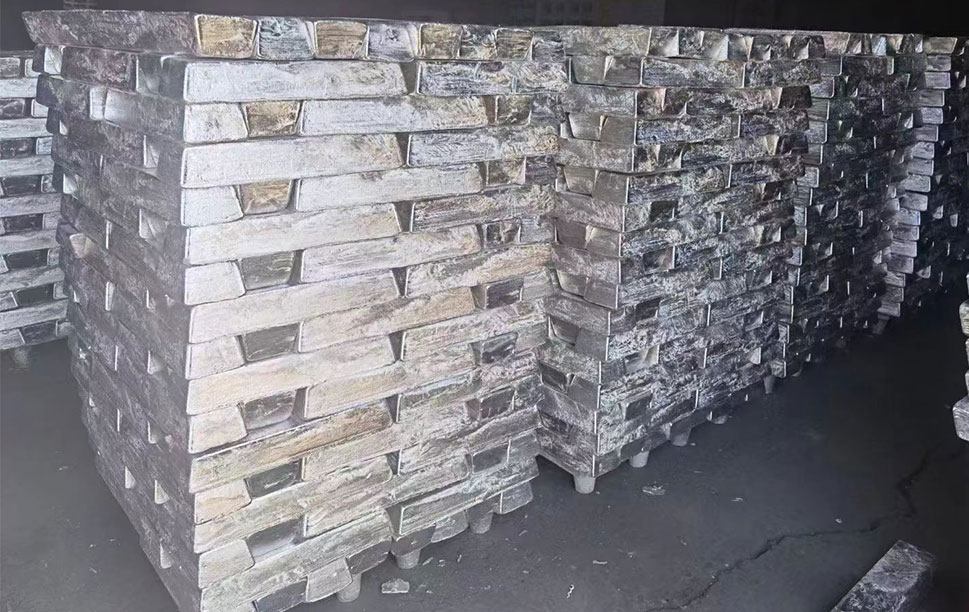
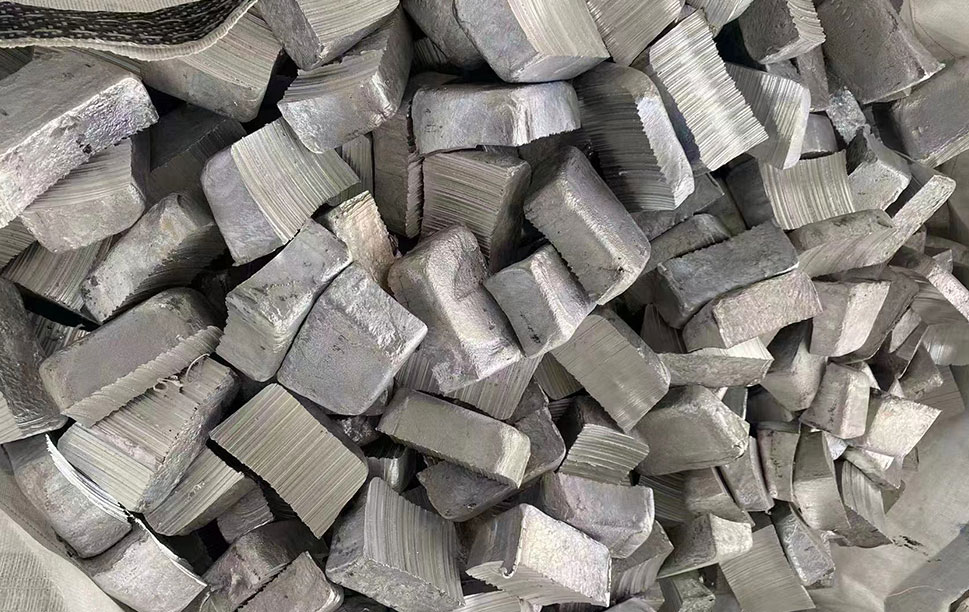
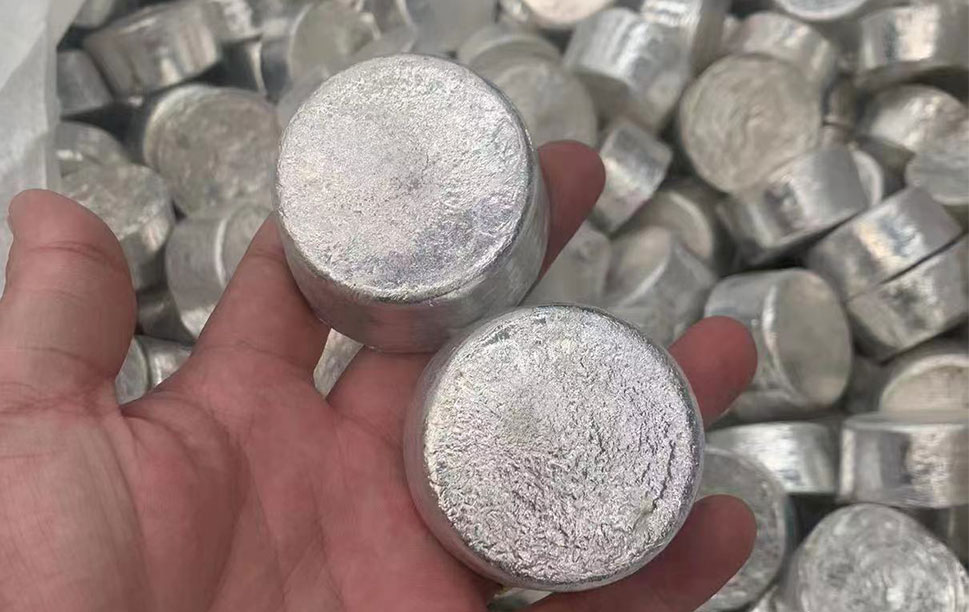
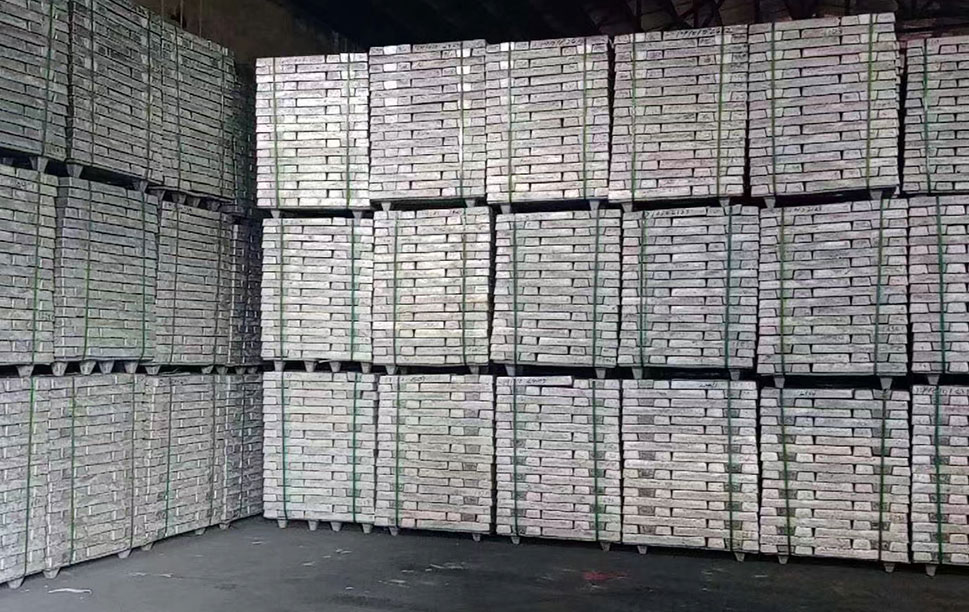
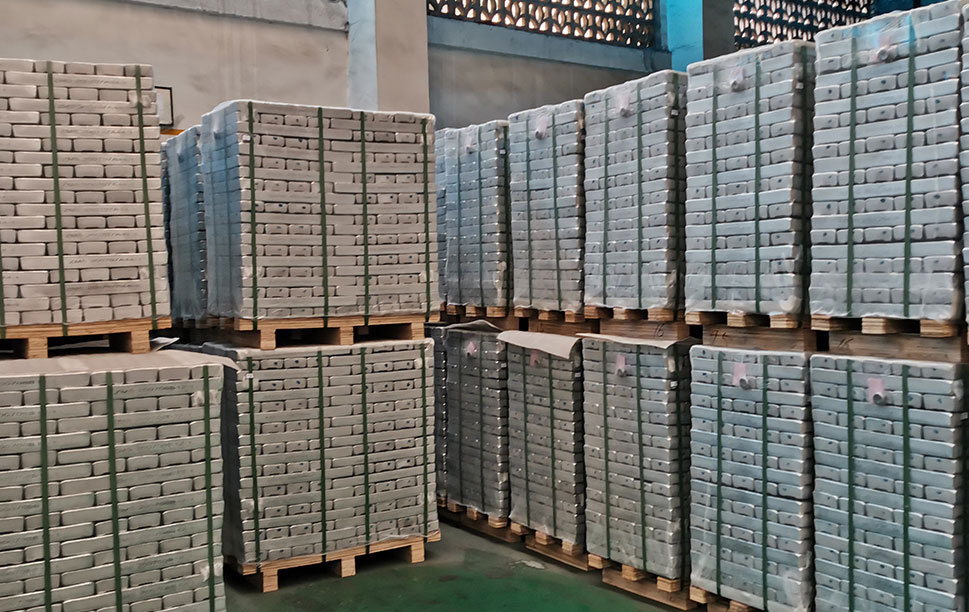
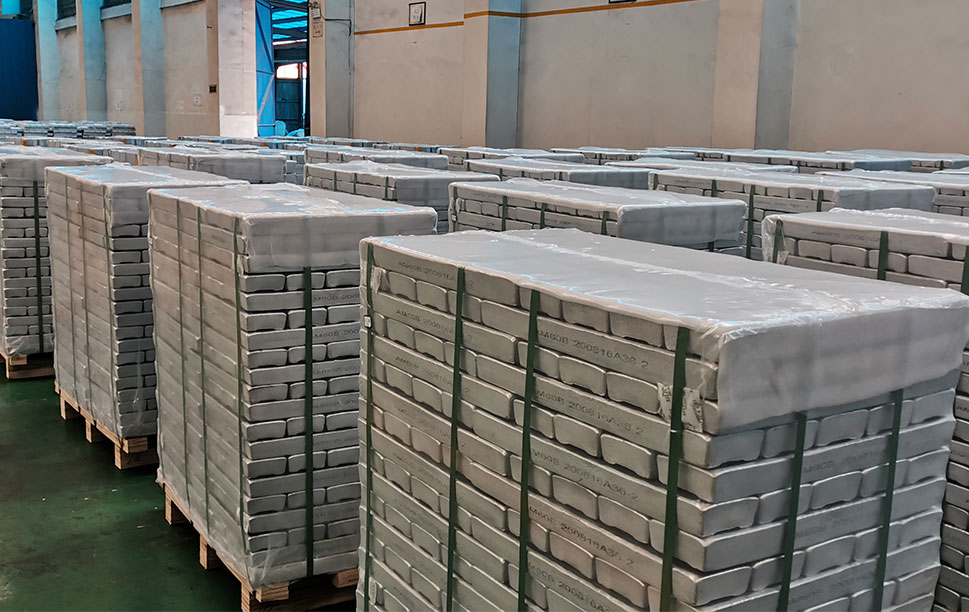
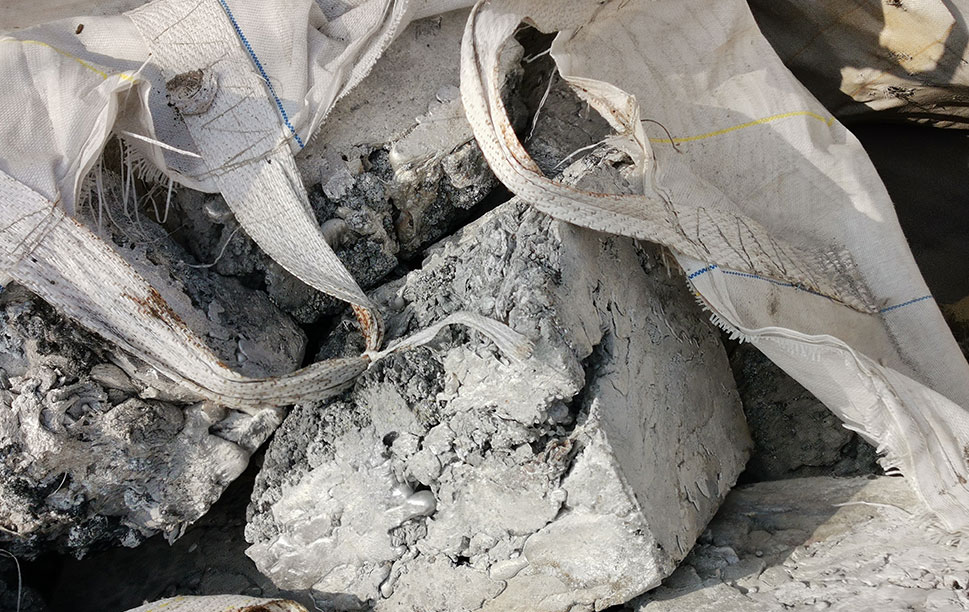
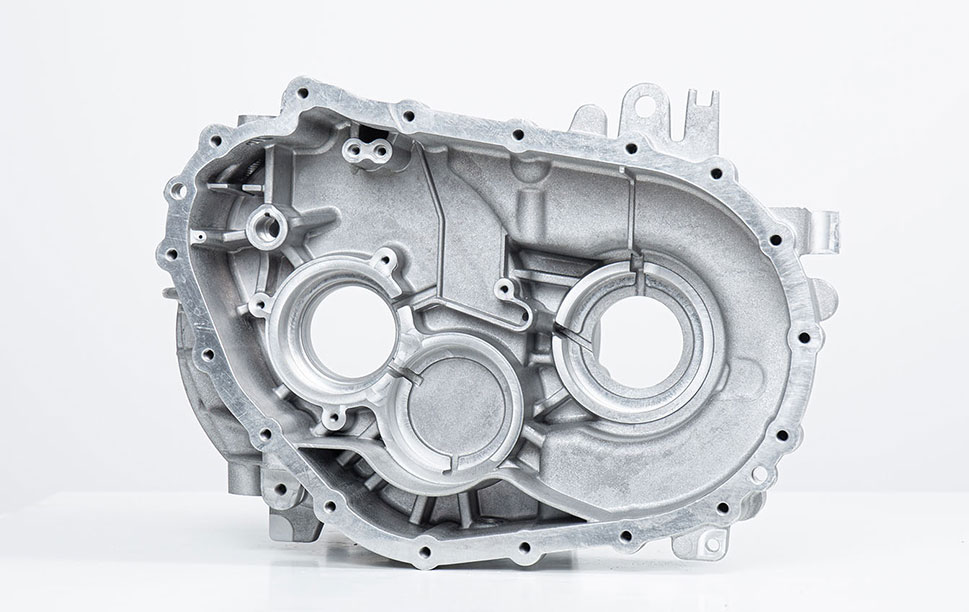

As industrial sectors accelerate their shift toward sustainable manufacturing and lightweight materials, magnesium has emerged as a cornerstone of modern production. Its unmatched strength-to-weight ratio makes it indispensable across automotive, aerospace, and electronics sectors. However, manufacturing parts from magnesium alloys generates a significant volume of industrial waste, including turnings, shavings, chips, and extrusions.
For manufacturing facilities looking to reclaim capital or control production costs, evaluating your factory waste requires a clear understanding of the global market. Reclaiming material through structured industrial loops directly optimizes raw material investments, improves workshop floor safety, and reduces environmental footprints.
This comprehensive guide breaks down the core variables driving the magnesium scrap price in 2026 and outlines the key metrics determining the true market magnesium scrap value.
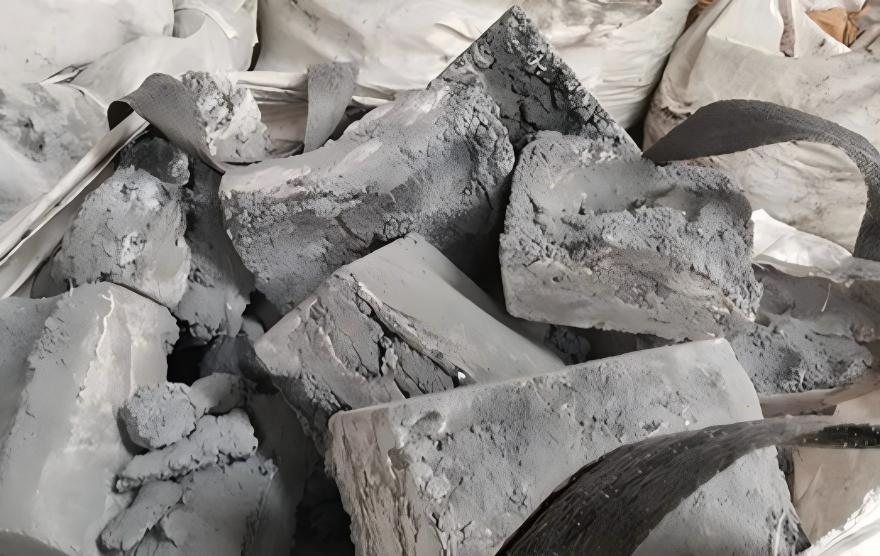
The foundation of any industrial scrap valuation begins with global commodities indexing. The international magnesium scrap price is fundamentally bound to baseline exchange prices, most notably tracked via the London Metal Exchange (LME) and international spot indicators across primary export regions.
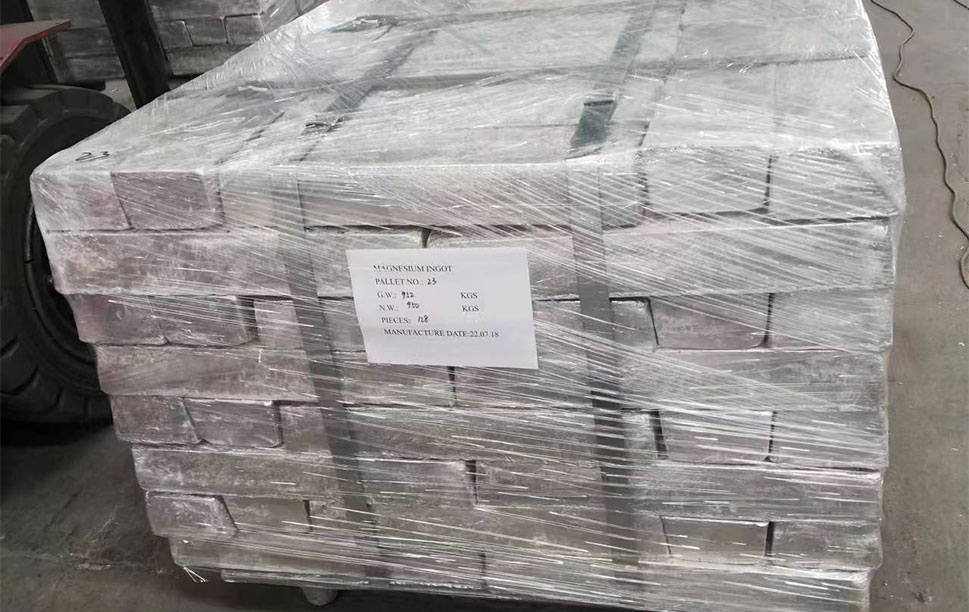
In the global landscape, primary magnesium ingot costs consistently influence secondary scrap valuations. If primary ingot prices rise due to raw material processing overheads or energy restrictions, the demand for high-quality secondary scrap rises proportionally, shifting scrap buyback percentages upward. Conversely, stabilization in primary supply centers naturally establishes a steady floor for secondary markets. For precise baseline valuations, domestic buyers and enterprise suppliers check these central metal exchange indices daily to manage volatility and time their bulk trades effectively.
Not all industrial waste is identical. Magnesium is rarely utilized in its pure elemental form for structural applications; instead, it is engineered into specific alloys tailored for stress thresholds and thermal performance. The exact alloy grade of your manufacturing residue serves as a primary driver of overall magnesium scrap value.
Major automotive and electronics die-casting processes generate waste across several standardized categories:
AZ91D: The absolute workhorse of the die-casting industry. It offers excellent castability and corrosion resistance. Because of its massive market volume, AZ91D scrap remains highly liquid and yields highly predictable trading cycles.
AM60B and AM50A: Known for superior ductility and energy-absorption properties, these alloys are widely chosen for critical safety components like automotive steering wheels and instrument panel brackets. Their scrap valuation is tied closely to the baseline purity of automotive tier-one manufacturing pipelines.
AZ31B: Predominantly found in wrought or extruded forms, such as aerospace plating and structural tubes. Sorted, high-purity AZ31B offcuts retain a distinct pricing structure due to their low contamination rates.
Mixing these distinct grades into a single container degrades the material's market potential, as secondary refiners must account for advanced sorting costs.
The physical state of the magnesium metal residue introduces varying levels of handling, safety management, and processing overhead for recycling facilities. Refining plants assess physical configuration through structural categories:
Clean, dense chunks, reject parts, and heavy structural trimmings represent the premium tier of secondary metal. They present minimal surface area, meaning they suffer very low oxidation rates during remelting. This yields an exceptionally high metal recovery rate, positioning them at the high end of the valuation scale.
Resulting from precision machining, drilling, and milling operations, these loose forms feature a vast surface-area-to-weight ratio. This leaves them highly vulnerable to surface oxidation and oil or moisture absorption. Furthermore, finely divided magnesium turnings carry strict handling restrictions due to structural flammability. Processing operations must utilize special drying and briquetting steps before smelting, which adds operational costs and scales back the initial payout per kilogram or pound.
Moisture, synthetic cooling fluids, cutting oils, and foreign metals (such as iron bolts, aluminum brackets, or copper clips) can drastically reduce your net magnesium scrap value.
Smelters require clean material to prevent dangerous reactions and metallurgical inclusions in the final recycled ingots. Implementing a disciplined, dry-separation protocol on your production floor prevents cross-contamination. If your machine turnings are heavily saturated with water-based coolants, the recycling partner must account for centrifugal drying or thermal treatment, which naturally shifts the net magnesium scrap price downwards.
To help categorize your manufacturing output, the matrix below details how composition and physical form impact processing complexity and relative price behavior:
| Material Classification | Primary Industrial Form | Processing / Handling Requirements | Market Price Potential |
|---|---|---|---|
| Premium Solids & Reject Castings | Heavy gate runners, misruns, clean die-cast blocks (AZ91D, AM60B) | Low sorting overhead, minimal oxidation loss, direct melt capability | Highest Tier |
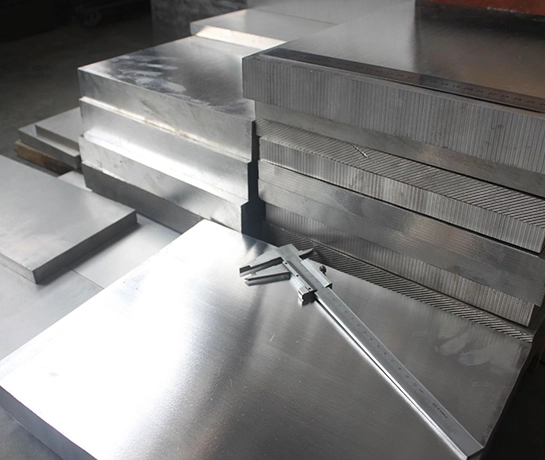
| Sorted Extrusions & Plates | Clean manufacturing offcuts, structural segments (AZ31B) | Strict verification of grade consistency required | High Tier |
| Loose Machine Turnings | Fine shavings, loose machine chips from milling lines | High surface oxidation risk, requires oil centrifugal drying and compaction | Moderate Tier |
| Mixed Smelter Slag | Dross, skimming residue from melting crucibles | Complex chemical extraction and secondary refining required | Lower Tier |
Maximizing your return on secondary metal assets requires partnering with a vertically integrated industrial specialist. YiRui Metal operates a sophisticated, closed-loop structural pipeline consisting of magnesium melting, magnesium processing, and magnesium recovery. This integrated infrastructure eliminates third-party intermediaries, allowing us to absorb raw processing scrap efficiently and convert it back into high-performance industrial assets.
Backed by a robust manufacturing foundation—including 10 advanced die-casting machines spanning capacities from 450 tons to 1600 tons—we are experts in handling magnesium from initial raw alloy sourcing up to complex component manufacturing. We regularly utilize and recycle premium grades like AZ91D, AM50A, and AM60B within our facilities. Whether you have dense structural solids, clean reject castings, or machining turnings, our processing loops help your company reduce raw material overhead, streamline manufacturing waste, and support predictable pricing structures.
Explore our full industrial capabilities on our Products Page to see how we maintain high material standards across both primary and secondary metal supplies.
Navigating the magnesium scrap price landscape requires managing several interconnected variables: global index tracking, precise grade segregation, physical form management, and minimizing floor contamination. By treating your factory's magnesium scrap as a high-value resource rather than an incidental waste stream, you can successfully lower raw material costs and optimize your company’s overall bottom line. Securing a reliable industrial partner guarantees that your processing scrap is verified, valued, and re-introduced into the production stream under optimal economic terms.
Ready to lock in a professional evaluation for your current inventory? Connect directly with our technical team through our Contact Page to receive a customized market quotation tailored to your specific alloy grades and volume requirements.
A1: Physical form dictates processing efficiency. Dense solids offer high metal recovery with low oxidation, making them highly valuable. Fine turnings or chips have large surface areas that oxidize rapidly and retain cutting oils, requiring extra processing and drying steps that lower net value.
A2: Mixing distinct grades is not recommended. Different alloys contain varying percentages of aluminum, manganese, and zinc. Mixing them forces downstream refiners to spend extra resources on sorting or dilution, which reduces your bulk material valuation.
A3: Local scrap valuations are anchored to international indicators like the LME. Local processors use these daily global market indices as a baseline pricing floor, adjusting quotes for regional logistics costs, domestic demand, and specific purity checks.
A4: Magnesium chips and turnings should be stored in clearly labeled, watertight steel containers away from heat sources. Keeping the material dry prevents oxidation and eliminates the risk of hydrogen gas generation, ensuring a safer shop environment and preserving material purity.

