 EN
EN
 jp
jp  de
de  ru
ru  pt
pt  vi
vi  ms
ms  id
id  ne
ne  tl
tl 

Tel:
+86-13382516668

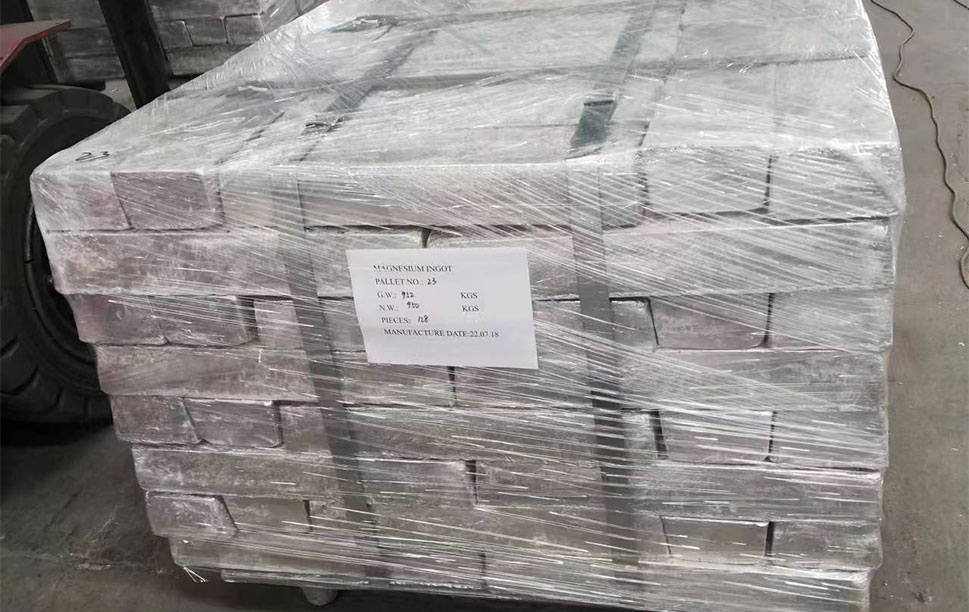
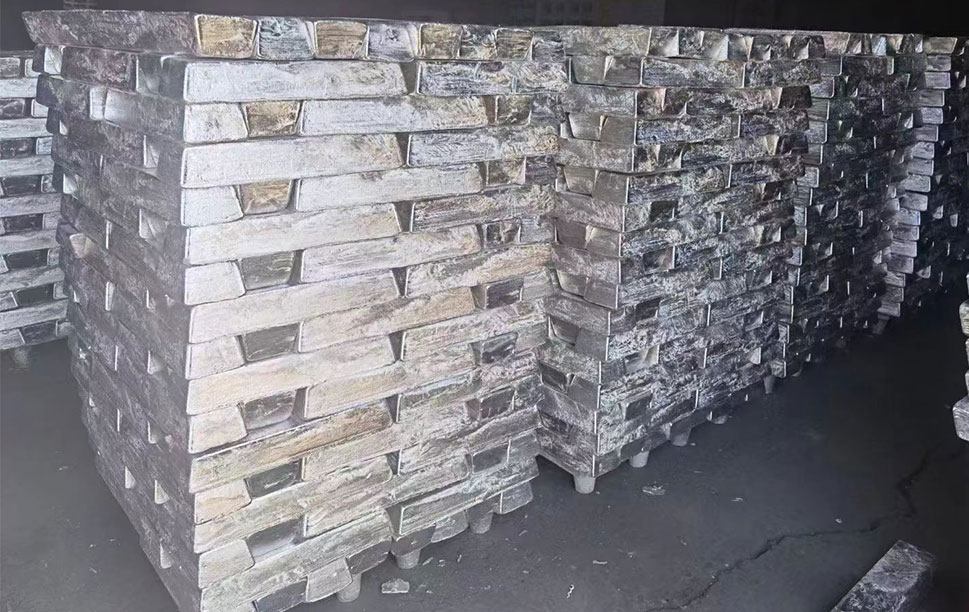
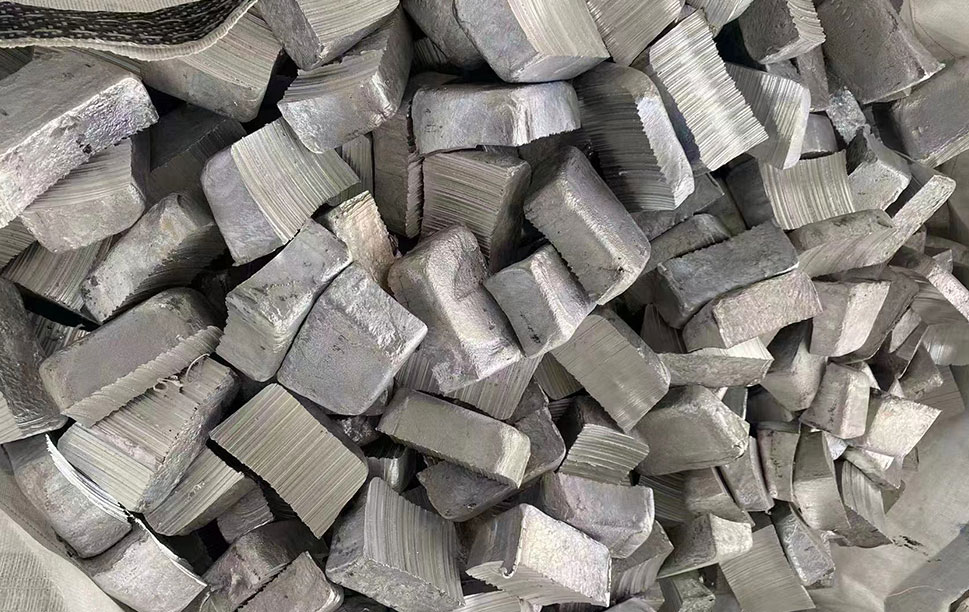
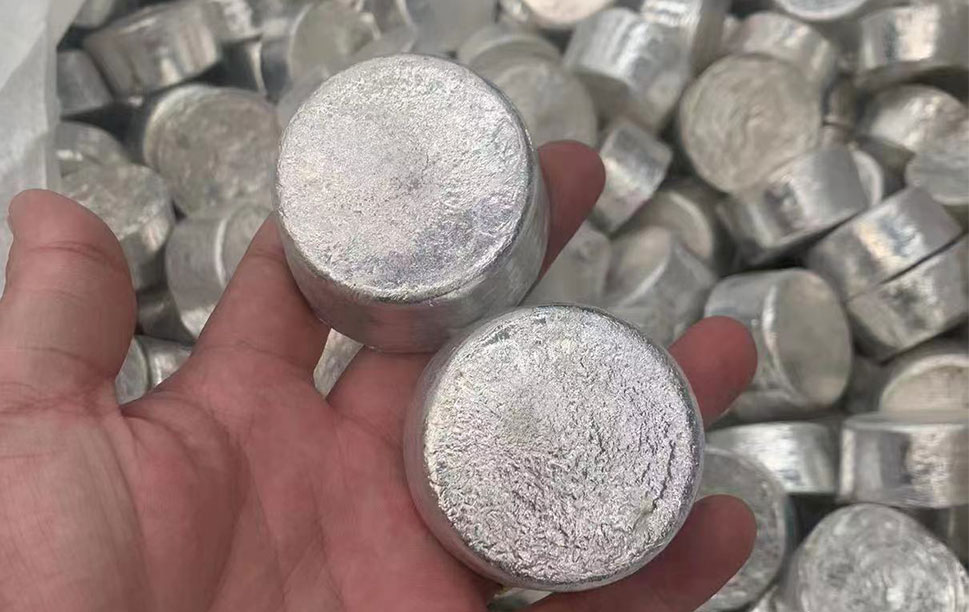
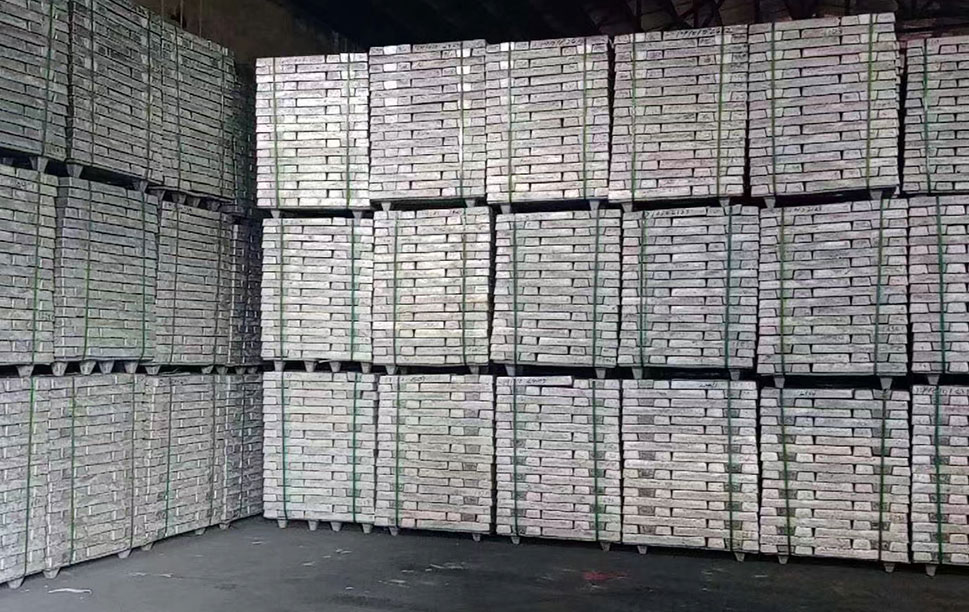
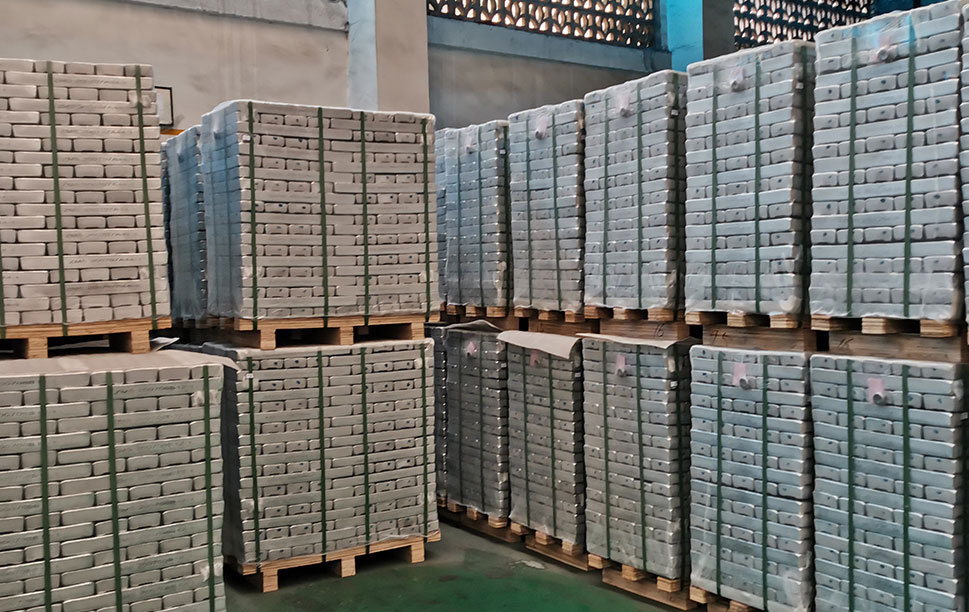
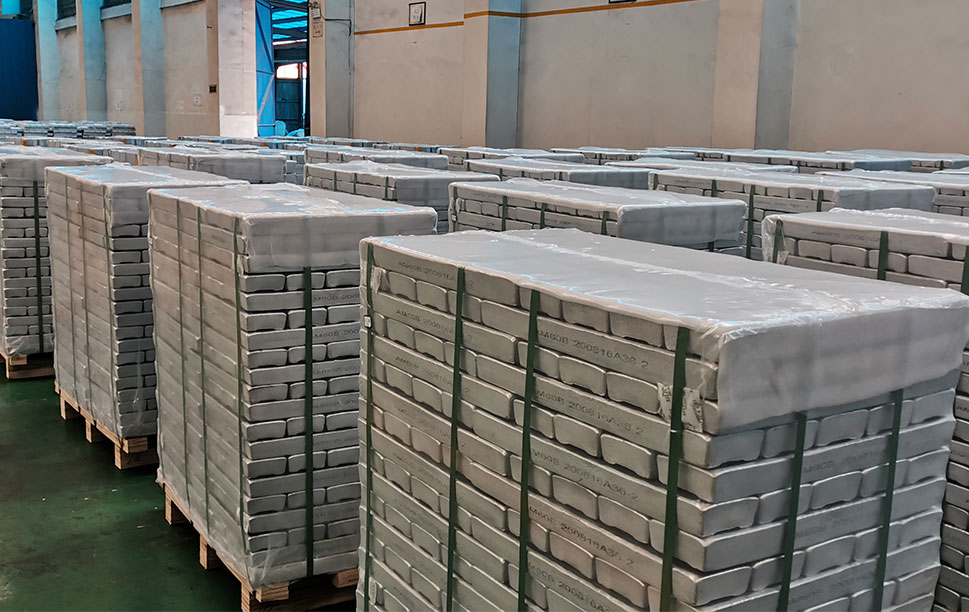
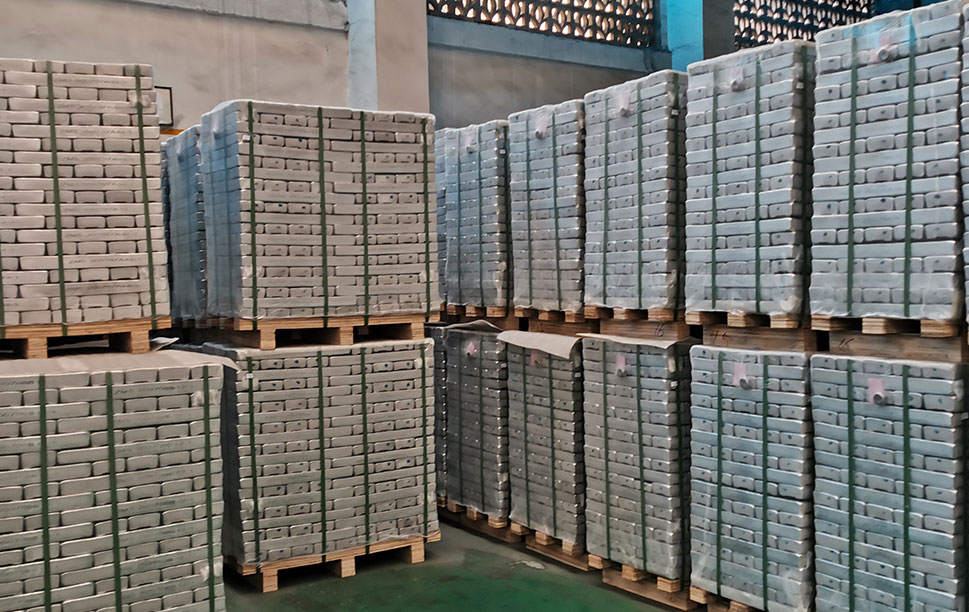
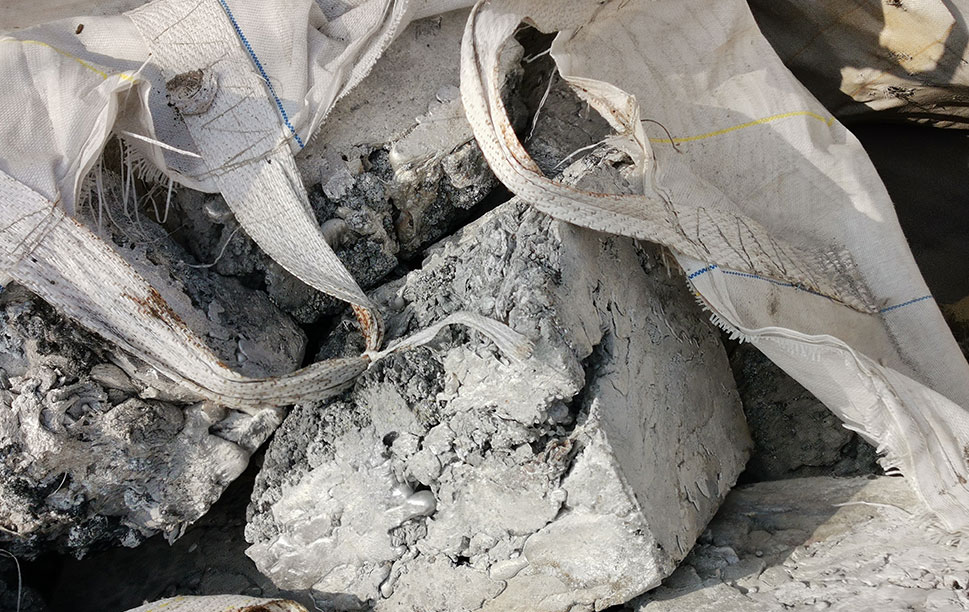

Storage problems with magnesium ingots rarely begin with a dramatic event. More often, they develop through small changes that go unnoticed: a torn package, repeated forklift movement, condensation after temperature changes, contamination from the warehouse environment, or a batch label that becomes difficult to trace after partial use.
These issues matter because the condition in which material enters production is just as important as the condition in which it originally left the supplier. A magnesium metal ingot should remain dry, clean, protected from unnecessary surface exposure, and clearly linked to its batch information throughout the storage period.
For buyers comparing magnesium ingot suppliers, this also means looking beyond alloy grade and delivery terms. Packaging quality, shipment identification, handling suitability, and storage guidance can all influence how easily the material is managed after arrival. The following sections examine the main warehouse controls that help preserve material condition until the ingots are ready for production.
Humidity becomes important when it results in moisture forming on the metal surface. Magnesium naturally develops a surface film, but prolonged moisture exposure can disturb that protection and increase the likelihood of surface corrosion, especially when contaminants are present at the same time.
This means warehouse management should focus on preventing direct water contact and condensation rather than relying only on the fact that the material is stored indoors. A magnesium metal ingot moved from a colder environment into warmer, humid air can temporarily develop surface condensation even when the warehouse itself appears dry.
Storage locations should therefore be selected with temperature changes, airflow, roof condition, drainage, and nearby warehouse activity in mind. Material should not be placed where roof leaks, wet floors, cleaning water, open loading doors, or recurring condensation can reach the packaging.
If pallets are transferred between substantially different temperatures, warehouse personnel should pay attention to whether moisture has formed before removing protective wrapping. Allowing the load to stabilize in a controlled indoor environment can reduce unnecessary surface exposure.
It is also important to distinguish solid ingots from magnesium powder, chips, fines, or turnings. These smaller forms have a much greater surface area and require different safety considerations. Storage procedures for bulk magnesium metal ingot should therefore be based on the actual material form being handled rather than applying the same controls to every magnesium product.
A dry warehouse is only part of good storage practice. Keeping the ingot surface clean is equally important because moisture can become more damaging when combined with salts or other aggressive contaminants.
Chloride-containing contamination is particularly undesirable for magnesium because it can interfere with the stability of the surface film and encourage localized corrosion. In practical terms, a magnesium metal ingot should be protected not only from rain or standing water but also from salt-bearing dirt, contaminated runoff, chemical residues, and dirty packaging materials.
Receiving and storage areas can introduce contamination in ways that are easy to overlook. Forklift tyres may carry dirt from outdoor loading zones, pallets may be placed close to chemical products, and damaged packaging may allow dust or moisture to reach the metal. For this reason, magnesium ingots should be kept away from leaking containers, corrosive materials, and warehouse areas where water or debris regularly accumulates.
Surface dirt or discoloration should not automatically be treated as proof that the material is unusable. However, unexplained staining, dampness, visible deposits, or corrosion products should be reviewed before the batch enters production. Cleaning should follow the purchaser's internal specification or supplier guidance rather than relying on an improvised chemical treatment.
Supplier packaging also influences how easily material can be protected after delivery. Buyers comparing different grades or supply forms can review YiRui Metal's magnesium metal and alloy products to understand the available material options before defining purchasing, packaging, and storage requirements for a production project.
Packaging should be treated as a storage control that requires periodic attention rather than permanent protection that can be forgotten once a pallet has been received.
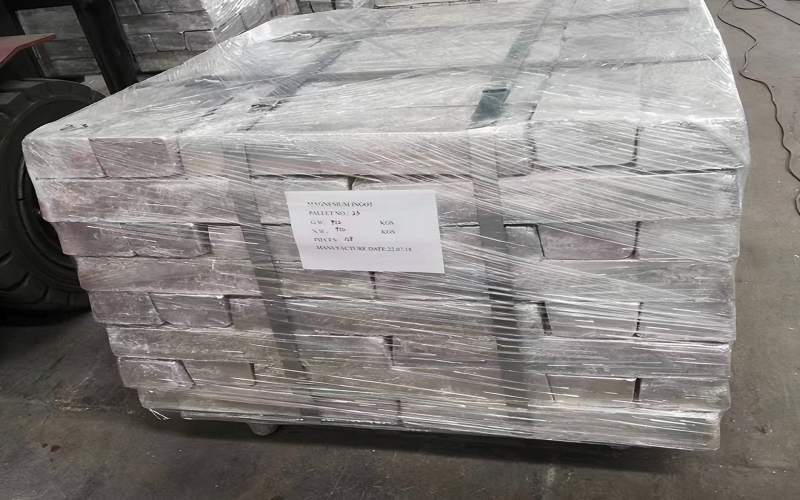
During long storage periods, wrapping can loosen, tear, puncture, or become contaminated. Pallets can shift after repeated forklift movements, edge protection may become damaged, and labels can fade, detach, or become covered during repacking. Packaging can also conceal moisture if the shipment was exposed before entering the warehouse.
Receiving inspection should therefore establish a clear baseline condition. Warehouse staff should confirm that the wrapping is intact, the pallet is stable, material identification is readable, and there are no obvious signs of water exposure or mechanical impact.
For a magnesium metal ingot that remains in inventory for an extended period, packaging should be checked again when the pallet is moved, partially opened, repacked, or exposed to an unusual warehouse event. A roof leak, damaged sprinkler line, packaging puncture, or accidental impact may matter more than the simple number of months that the material has been stored.
Packaging expectations should also be discussed with magnesium ingot suppliers before shipment when long holding periods are expected. Packaging designed primarily for transport may not provide the same level of protection required for extended warehouse storage, particularly if the facility experiences large temperature changes or frequent material movement.
Good handling protects both the ingots and the stability of the stored load. In many warehouses, physical damage occurs through routine movement rather than an unusual accident, which makes forklift practice, pallet condition, and stacking discipline important parts of material control.
Forks should engage the pallet or designated support correctly instead of striking the ingots, tearing wrapping, or pushing against the side of an unstable load. Even when the metal itself is not seriously damaged, a forklift impact can break packaging, remove labels, deform pallets, or make later movements less predictable.
Stacking arrangements should follow the pallet design, supplier instructions, load limits, warehouse procedures, and any racking restrictions applicable at the site. It is not useful to apply one universal stacking height to every magnesium metal ingot shipment because ingot geometry, pallet construction, package weight, and warehouse infrastructure vary considerably.
The objective is more practical: lower pallets should not be crushed, upper loads should remain stable, wrapping should stay intact, and identification should remain visible. Ingots should also be stored away from traffic routes where repeated contact with forklifts or other equipment is likely.
If damaged packaging exposes unexpected chips, fines, or other small magnesium particles, personnel should follow the applicable safety data sheet and facility procedures. These materials should not be treated exactly like bulk ingot because smaller magnesium forms can behave differently during handling and cleanup.
Receiving inspection provides a useful starting point, but it should not be the only time the material condition is reviewed. A second inspection before production can identify changes that occurred while the batch was in storage.
The purpose is not to turn every release into a laboratory examination. Instead, warehouse or quality personnel should confirm that the magnesium metal ingot still matches the expected material identity and remains in acceptable physical condition.
Typical points to review include visible moisture exposure, unusual discoloration, corrosion products, contamination, mechanical damage, packaging failure, and missing or unreadable batch information. If the pallet has been partially used, the remaining material should still be clearly connected to the original lot or shipment record.
Acceptance criteria should come from the purchasing specification, production process, and supplier agreement rather than appearance alone. A minor cosmetic surface change may have little effect in one downstream melting process, while significant contamination could be unacceptable in another operation.
If questionable material is discovered, separating the affected batch for review is usually more useful than mixing it with already approved stock. Photographs, receiving records, lot numbers, storage history, and packaging condition can help determine whether the problem is likely to have occurred during transport, storage, or handling.
Well-organized magnesium ingot suppliers can support this process by providing clear product identification and shipment documentation that allows warehouse and production teams to compare current material condition with the original delivery information.
Long-term storage works only when physical protection and inventory control are maintained together. A pallet can remain visually clean and dry yet still create a production-control problem if its material identity is lost.
Each stored lot should retain the information required by the buyer's quality system. Original batch or lot identification should remain associated with the corresponding material even after pallets are moved, partially consumed, or repacked internally.
If internal repacking is necessary, the replacement labels should preserve the original traceability rather than creating a new unidentified warehouse batch. This is particularly important when several deliveries of the same magnesium metal ingot grade are stored together.
Inventory rotation can also help reduce unnecessary exposure time. Where the production plan allows, older approved stock can be released before more recent deliveries instead of leaving certain pallets in storage while later shipments are repeatedly consumed.
This does not mean that magnesium ingots automatically become unsuitable after a fixed storage period. Actual surface condition, packaging integrity, traceability, and production requirements are more meaningful than applying an arbitrary shelf-life figure without reference to the material's real condition.
Periodic warehouse reviews should therefore focus on identifiable risks such as damaged packaging, moisture exposure, contamination, unstable pallets, unreadable labels, or missing batch documentation. This creates more useful control than simply recording how long a shipment has remained in inventory.
Traceability should also connect the stored material with supplier documents retained by the purchasing or quality team. When evaluating magnesium ingot suppliers, buyers should consider whether material descriptions, batch records, shipment labels, and purchase documentation can be linked clearly enough to support later production and quality investigations.
| Storage Area | Better-Controlled Practice | Higher-Risk Condition | What It Helps Protect |
|---|---|---|---|
| Moisture control | Dry indoor storage with attention to leaks, condensation, wet floors, and temperature changes | Recurring dampness or exposure to uncontrolled water sources | Surface condition and packaging integrity |
| Contamination control | Material separated from salts, chemical residues, dirty runoff, and leaking products | Damaged or open packages in contaminated warehouse areas | Surface cleanliness and production consistency |
| Packaging condition | Wrapping, pallets, and labels checked after receipt and significant handling | Damaged packaging left unexamined for long periods | Material protection and identification |
| Forklift handling | Loads moved through the pallet or designated support without striking ingots | Fork impact, torn wrapping, unstable movement, or damaged pallets | Physical condition and load stability |
| Pre-use inspection | Material condition checked again before production release | Material released only because it passed inspection when first received | Detection of storage-related changes |
| Traceability | Batch identity retained after movement, partial use, and repacking | Mixed pallets, missing labels, or repacked stock without original identification | Quality records and production control |
Effective magnesium ingot storage depends less on complicated warehouse procedures than on consistent control of the conditions that can gradually change the material. Keeping ingots dry, clean, physically protected, correctly identified, and separated from corrosive contamination helps preserve their condition from receipt through production use.
For a magnesium metal ingot, storage decisions should be based on actual condition rather than a single universal shelf-life rule. Moisture exposure, salt contamination, torn packaging, rough handling, unstable stacking, and lost traceability are more useful indicators of storage risk than time alone.
Supplier selection also affects how easily these controls can be maintained after delivery. Reliable magnesium ingot suppliers should provide clearly identified material, appropriate shipment protection, and enough documentation for the buyer to integrate each batch into its own warehouse and quality system.
If your purchasing plan involves specific magnesium grades, long storage periods, packaging requirements, or regular production volumes, you can discuss your magnesium ingot requirements with YiRui Metal before confirming the supply arrangement and warehouse handling plan.
Yes. Dry indoor storage helps limit moisture exposure and surface corrosion. Particular attention should be given to condensation, roof leaks, wet floors, damaged packaging, and other routes through which water can reach the material.
Humidity becomes more important when it leads to condensation or a persistent moisture film on the metal surface. The risk can increase further if salts or other corrosive contaminants are also present.
Check material identification, packaging condition, pallet stability, visible surface condition, and signs of moisture or impact damage. Any abnormal condition should be documented before the material enters normal inventory.
Long-term storage can be practical when the material remains dry, clean, protected, and traceable. There is no single storage period suitable for every application, so acceptance should depend on actual condition and production requirements.
Yes. A pre-use inspection can reveal contamination, moisture exposure, corrosion, packaging failure, physical damage, or lost identification that developed after the original receiving inspection.
Ask how the ingots are packed for transport, how batches are identified, what storage conditions are recommended, and whether additional packaging protection is advisable when the material will remain in inventory for an extended period.

